
Why Sunrooms Are Popular Home Additions
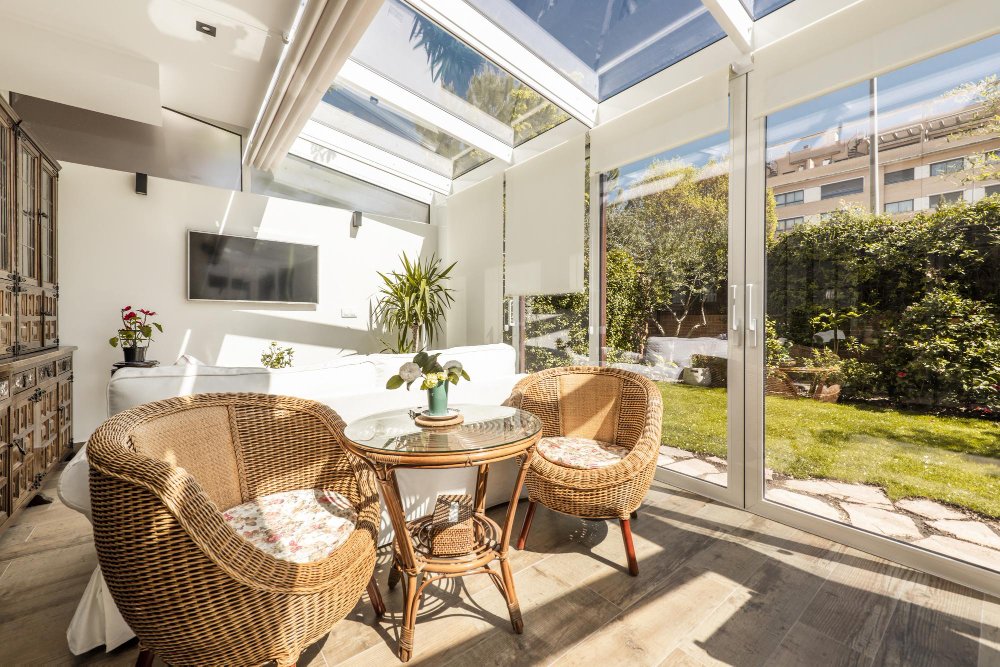
Sunrooms have become one of the most desirable residential additions because they increase usable living space while creating stronger connections to natural light and outdoor surroundings. Modern sunrooms provide flexible areas for relaxation, dining, entertaining, indoor gardening, reading, or remote work while allowing homeowners to enjoy outdoor views in a protected climate-controlled environment.
However, adding a sunroom requires careful planning involving structural design, insulation, heating and cooling systems, windows, roofing integration, and local building regulations. Understanding the renovation process helps homeowners create comfortable and energy-efficient spaces that remain functional year-round.
What Is the Difference Between a Sunroom and a Screened Porch?
Although both additions connect indoor and outdoor living, they serve different purposes.
Sunroom Characteristics
- Fully enclosed walls and windows
- Climate-controlled interiors
- Year-round usability
- Insulated construction systems
Screened Porch Characteristics
- Open-air ventilation
- Screened wall systems
- Seasonal outdoor use
- Limited insulation
Sunrooms generally provide more comfort and flexibility because they function more like interior living spaces.
What Types of Sunrooms Are Available?
Sunrooms can be designed in several different styles depending on climate conditions and intended use.
Popular Sunroom Types
- Three-season sunrooms
- Four-season sunrooms
- Glass conservatories
- Solarium-style additions
- Integrated patio sunrooms
Four-season sunrooms include insulation and HVAC systems that support year-round use.
Do Sunrooms Increase Property Value?
Well-designed sunrooms can improve property appeal by increasing functional living space and natural light access.
Reasons Sunrooms Add Value
- Expanded usable square footage
- Improved entertainment space
- Enhanced natural lighting
- Stronger indoor-outdoor connection
Bright and flexible living spaces are highly attractive in modern residential real estate markets.
How Important Is Insulation?
Insulation plays a major role in temperature control and long-term comfort.
Key Insulation Areas
- Roof insulation systems
- Insulated flooring
- Energy-efficient wall construction
- Thermally efficient windows
Proper insulation helps sunrooms remain comfortable during both hot summers and cold winters.
What Windows Work Best in Sunrooms?
Windows are one of the most important components of sunroom performance and appearance.
Popular Sunroom Window Features
- Low-E glass coatings
- Double-pane glazing
- UV protection systems
- Operable ventilation windows
Energy-efficient windows improve comfort while reducing heat transfer and glare.
Can Sunrooms Be Heated and Cooled?
Most modern sunrooms incorporate heating and cooling systems for year-round usability.
Popular Climate Control Options
- Mini-split HVAC systems
- Extended central HVAC zones
- Radiant floor heating
- Ceiling fans and ventilation
Proper climate control helps maintain comfortable temperatures throughout changing seasons.
What Flooring Materials Work Best in Sunrooms?
Sunrooms experience high sunlight exposure and temperature fluctuations, making flooring durability especially important.
Recommended Sunroom Flooring Materials
- Porcelain tile
- Luxury vinyl plank flooring
- Engineered hardwood
- Polished concrete
Durable flooring materials help resist fading, moisture, and long-term wear.
How Much Natural Light Is Too Much?
Although sunlight is a major benefit of sunrooms, excessive glare and heat gain can reduce comfort.
Ways to Control Sunlight
- Motorized shades
- Solar-filtering window treatments
- Tinted glass systems
- Strategic roof overhangs
Balanced daylight management helps improve comfort throughout the day.
Do Sunrooms Require Building Permits?
Most sunroom additions require permits because they involve structural expansion and utility integration.
Common Permit Considerations
- Foundation requirements
- Electrical installation
- Structural engineering
- Zoning regulations
- Energy code compliance
Permit requirements vary depending on local building codes and project scope.
What Design Features Improve Sunroom Comfort?
Comfort-focused design helps sunrooms feel more usable and visually inviting.
Popular Sunroom Design Features
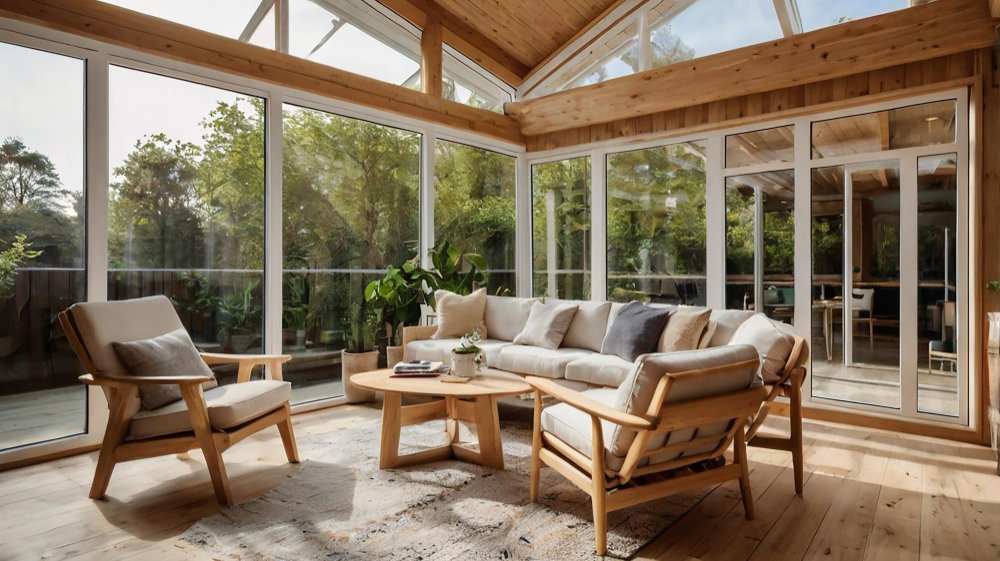
- Vaulted ceilings
- Indoor greenery
- Layered lighting systems
- Comfortable lounge seating
- Natural material finishes
Thoughtful interior design helps create relaxing and highly functional living environments.
Why Professional Planning Is Important
Sunroom additions require coordinated planning involving structural systems, glazing performance, HVAC integration, and waterproofing.
Benefits of Professional Sunroom Design
- Improved energy efficiency
- Better structural integration
- Enhanced long-term durability
- More comfortable climate control
Professional planning helps ensure sunrooms remain visually attractive and comfortable throughout the year.
Final Thoughts on Adding a Sunroom
Sunrooms expand living space while improving natural light, comfort, and indoor-outdoor connection within the home. By selecting energy-efficient windows, durable flooring, effective insulation, and proper climate control systems, homeowners can create bright and highly functional spaces that remain enjoyable year-round.
Careful planning and professional construction help ensure sunroom additions remain durable, efficient, and visually appealing for many years.