
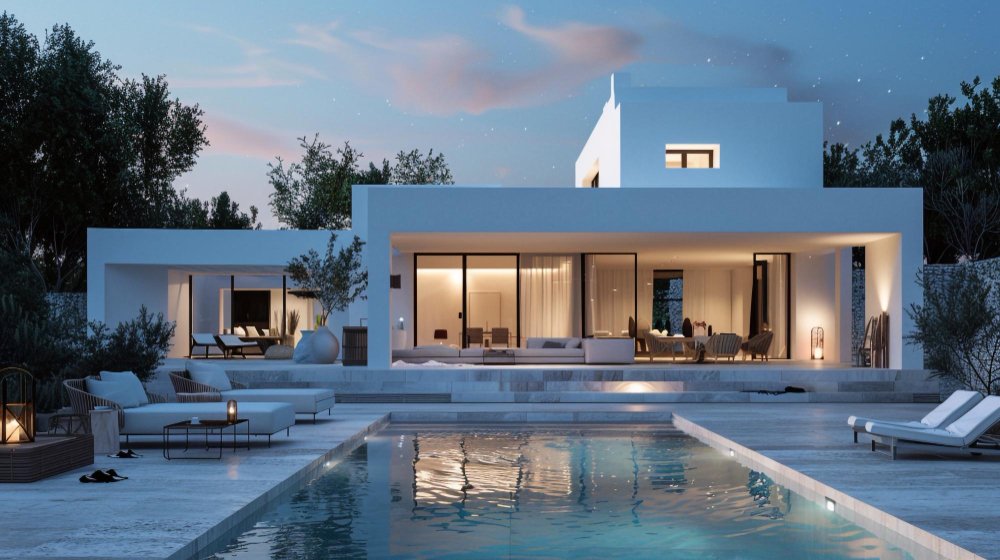
Why Exterior Siding Selection Matters in Home Renovations
Exterior siding is one of the most important components of a home renovation because it protects the structure from weather, improves energy efficiency, and strongly influences curb appeal. Modern siding materials are designed to provide durability, moisture resistance, insulation performance, and long-term visual attractiveness while requiring varying levels of maintenance.
Choosing the best siding material depends on climate conditions, maintenance expectations, architectural style, budget, and long-term performance goals. Understanding the strengths and limitations of different siding systems helps homeowners make more informed renovation decisions.
Vinyl Siding: Affordable and Low Maintenance
Vinyl siding remains one of the most widely used exterior cladding materials because of its affordability and minimal maintenance requirements.
Advantages of Vinyl Siding
- Budget-friendly installation
- Wide color selection
- Low maintenance needs
- Moisture resistance
- Easy cleaning
Modern vinyl siding products have improved significantly in durability and visual appearance compared to older systems.
Fiber Cement Siding: Durable and Versatile
Fiber cement siding is highly popular in modern renovations because it combines durability with strong architectural flexibility.
Benefits of Fiber Cement Siding
- Excellent weather resistance
- Fire-resistant performance
- Wood-like visual appearance
- Long lifespan
- Insect resistance
Fiber cement works well across traditional, farmhouse, coastal, and modern architectural styles.
Natural Wood Siding: Warm and Timeless
Wood siding provides natural beauty and rich architectural character that many homeowners still prefer.
Advantages of Wood Siding
- Authentic natural texture
- Classic curb appeal
- Custom stain and paint options
- Strong architectural warmth
Wood siding requires more maintenance than many modern alternatives because it is vulnerable to moisture and UV exposure.
Engineered Wood Siding: Natural Appearance With Better Durability
Engineered wood products offer the visual appeal of traditional wood while improving resistance to weather and pests.
Benefits of Engineered Wood Siding
- Improved moisture resistance
- Reduced maintenance requirements
- Authentic wood appearance
- Lighter installation weight
Engineered wood systems provide a balanced compromise between aesthetics and durability.
Brick Veneer: Long-Lasting and Traditional
Brick veneer siding remains a highly durable and visually timeless option for exterior renovations.
Advantages of Brick Veneer
- Exceptional durability
- Strong fire resistance
- Minimal maintenance
- Classic architectural appearance
Brick veneer performs especially well in traditional and colonial-style homes.
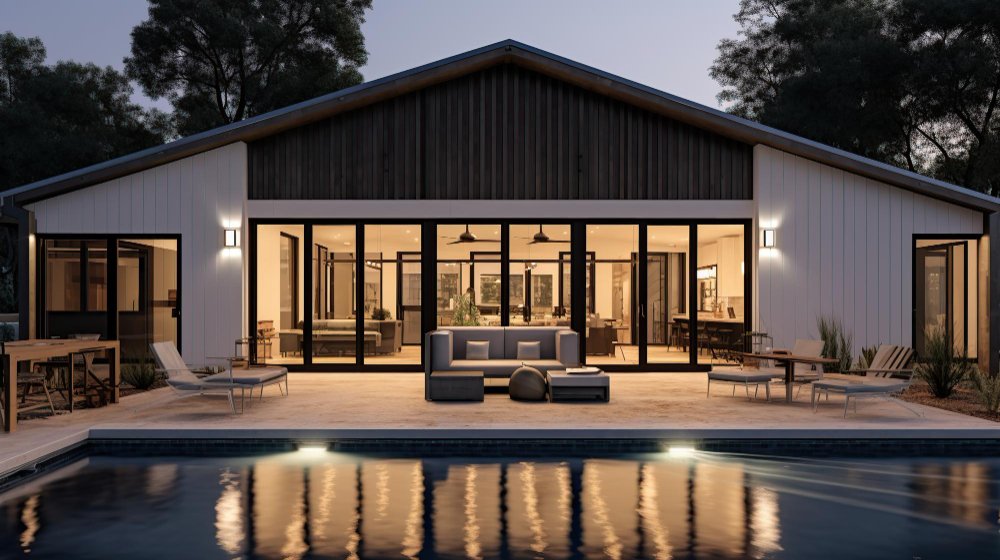
Stone Veneer: Luxury Exterior Appeal
Stone veneer siding creates upscale architectural character while improving texture and visual depth.
Benefits of Stone Veneer
- Luxury curb appeal
- Strong weather durability
- Natural texture and variation
- Architectural focal point enhancement
Stone accents are often combined with other siding materials for balanced exterior design.
Metal Siding: Modern and Highly Durable
Metal siding systems are increasingly popular in contemporary and industrial-style renovations.
Advantages of Metal Siding
- Excellent weather resistance
- Minimal maintenance
- Modern architectural appearance
- Strong fire resistance
Aluminum and steel siding systems work especially well in modern minimalist home designs.
Stucco Siding: Smooth and Contemporary
Stucco siding remains popular in warm climates and Mediterranean-inspired architecture.
Benefits of Stucco Exteriors
- Seamless exterior appearance
- Good insulation properties
- Strong architectural flexibility
- Contemporary design compatibility
Proper installation and moisture management are essential for long-term stucco performance.
Siding Durability Should Match Climate Conditions
Climate strongly affects siding performance and maintenance requirements.
Important Climate Considerations
- Moisture exposure
- Freeze-thaw cycles
- UV sunlight intensity
- Wind and storm resistance
Choosing climate-appropriate siding materials improves long-term durability and efficiency.
Insulation and Energy Efficiency Matter
Modern siding systems can improve thermal performance and indoor comfort.
Energy-Efficient Siding Features
- Insulated backing systems
- Weather-resistant barriers
- Ventilated rain screen systems
- Improved thermal protection
Well-installed siding systems help reduce energy loss and improve indoor climate control.
Professional Installation Is Essential for Long-Term Performance
Siding installation directly affects moisture protection, structural durability, and exterior appearance.
Benefits of Professional Siding Installation
- Improved weather resistance
- Better moisture management
- Cleaner finish quality
- Enhanced structural protection
Professional installation helps prevent water intrusion and long-term structural damage.
Exterior Siding Renovations
The best exterior siding materials for long-lasting home renovations balance durability, maintenance requirements, energy efficiency, and architectural style. Vinyl, fiber cement, wood, engineered wood, brick, stone, metal, and stucco siding systems each offer unique advantages depending on climate conditions and design goals.
By selecting high-quality siding materials and ensuring professional installation, homeowners can improve curb appeal, structural protection, and long-term property value for many years.