
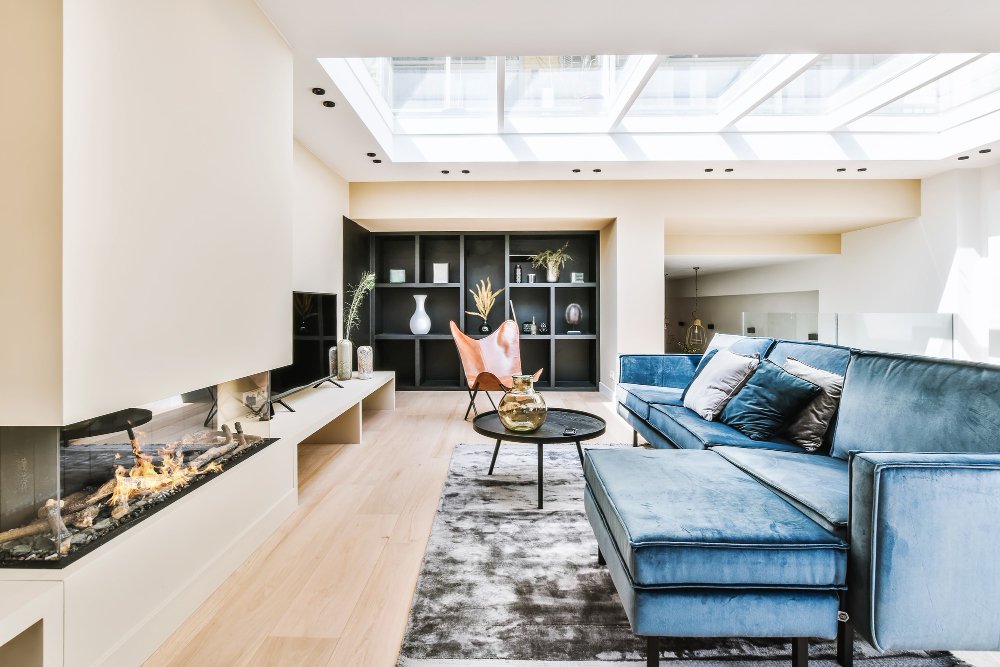
Why Basement Renovations Add Valuable Living Space
Basement renovations are one of the most effective ways to increase usable square footage without expanding the home’s footprint. Many unfinished basements contain large amounts of underutilized space that can be transformed into comfortable living areas, entertainment rooms, guest suites, home gyms, offices, or multifunctional family spaces.
Modern basement remodeling focuses on moisture control, lighting improvements, insulation, ceiling design, and efficient layouts that make lower-level spaces feel brighter, warmer, and more connected to the rest of the home. Careful planning helps basements become highly functional extensions of everyday living environments.
Start With Moisture and Waterproofing Evaluation
Moisture management is one of the most important parts of any basement renovation because basements are naturally more vulnerable to water intrusion and humidity.
Common Basement Moisture Solutions
- Foundation crack repair
- Interior drainage systems
- Sump pump installation
- Dehumidification systems
- Exterior grading improvements
Addressing moisture problems before construction helps protect flooring, walls, and long-term indoor air quality.
Improve Basement Insulation for Comfort
Basements often feel colder than upper levels because of below-grade concrete walls and limited natural heat retention.
Recommended Basement Insulation Areas
- Exterior foundation walls
- Basement ceilings
- Subfloor insulation systems
- Rim joist insulation
Proper insulation improves temperature consistency while increasing energy efficiency.
Use Lighting Strategically to Brighten the Space
Many basements suffer from limited natural light, making lighting design especially important.
Popular Basement Lighting Features
- LED recessed ceiling lighting
- Wall sconces
- Accent lighting systems
- Under-cabinet illumination
- Light-reflective paint finishes
Layered lighting helps basements feel brighter, more open, and more welcoming.
Choose Durable Moisture-Resistant Flooring
Basement flooring materials must withstand potential humidity and temperature fluctuations.
Best Flooring Options for Basements
- Luxury vinyl plank flooring
- Porcelain tile
- Engineered hardwood
- Sealed concrete flooring
Moisture-resistant flooring helps improve durability while reducing long-term maintenance concerns.
Create Functional Zones Within the Basement
Large basement layouts often work best when divided into clearly defined activity areas.
Popular Basement Functional Zones
- Entertainment and media rooms
- Guest bedroom suites
- Home gyms
- Children’s playrooms
- Remote work offices
- Game and recreation areas
Zoned layouts improve organization while supporting multiple household needs simultaneously.
Improve Ceiling Design and Height Perception
Lower ceiling heights can make basements feel cramped if not designed carefully.
Ways to Improve Basement Ceiling Appearance
- Painted exposed ceilings
- Minimalist drywall ceilings
- Integrated recessed lighting
- Linear ceiling panel systems
Light-colored ceilings and streamlined designs help basements feel more spacious.
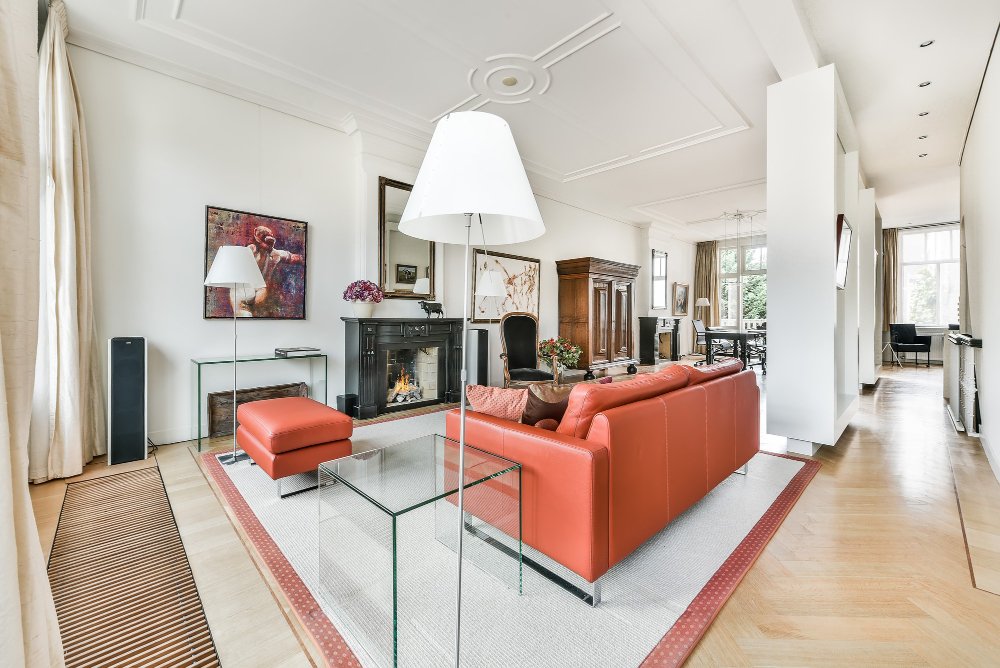
Add Egress Windows for Safety and Natural Light
Finished basements used as bedrooms or living areas often require emergency egress windows.
Benefits of Basement Egress Windows
- Improved emergency safety
- Increased natural light
- Better ventilation
- Enhanced property value
Egress windows help basement rooms feel less enclosed while supporting building code compliance.
Soundproofing Improves Basement Comfort
Basements are commonly used for entertainment and recreation, making sound control important.
Popular Basement Acoustic Improvements
- Acoustic insulation systems
- Soundproof ceiling materials
- Carpet and area rugs
- Acoustic wall panels
Improved sound control helps reduce noise transfer between floors.
Storage Integration Maximizes Functionality
Basements often serve dual purposes as living spaces and storage areas.
Effective Basement Storage Solutions
- Built-in shelving systems
- Hidden utility storage rooms
- Custom cabinetry
- Under-stair storage areas
Integrated storage helps finished basements remain organized and visually clean.
Climate Control Is Essential for Year-Round Use
Comfortable temperature management helps finished basements function like the rest of the home.
Popular Basement HVAC Improvements
- Extended HVAC zoning
- Mini-split heating and cooling systems
- Radiant floor heating
- Ventilation balancing
Consistent climate control improves comfort and indoor air quality.
Basement Design Should Match the Rest of the Home
Modern basement renovations often emphasize seamless visual integration with upper living spaces.
Ways to Create Design Continuity
- Matching flooring materials
- Coordinated paint colors
- Consistent trim styles
- Unified lighting finishes
Design continuity helps finished basements feel fully integrated into the home.
Professional Planning Improves Basement Renovation Results
Basement remodeling projects involve moisture management, insulation, electrical systems, and structural planning that require careful coordination.
Benefits of Professional Basement Design
- Improved moisture protection
- Better space utilization
- Enhanced code compliance
- Long-term durability improvements
Professional guidance helps homeowners create safer and more functional finished basement spaces.
Final Thoughts on Basement Renovations
Basement renovations can dramatically expand usable living space while improving home functionality and property value. By focusing on waterproofing, insulation, lighting, climate control, storage integration, and flexible layouts, homeowners can transform unfinished lower levels into comfortable and highly practical living environments.
Careful planning and durable material selection help ensure basement renovations remain comfortable, efficient, and visually appealing for many years.