
Best Ceiling Design Ideas for Modern Home Renovations
Luxury is rarely defined by what immediately captures attention. More often, it is discovered in the quiet architectural details that shape the atmosphere of a room without demanding recognition. Among those details, the ceiling remains one of the most transformative—and most underestimated—design elements in contemporary interiors. While flooring grounds a space and furnishings express personality, the ceiling quietly frames every experience beneath it. It influences light, proportion, acoustics, and the emotional character of an interior. A thoughtfully designed ceiling doesn’t simply complete a room; it elevates it.“True luxury begins where architecture meets light, allowing every room to breathe with elegance.”
Architectural Ceilings That Define Modern Luxury
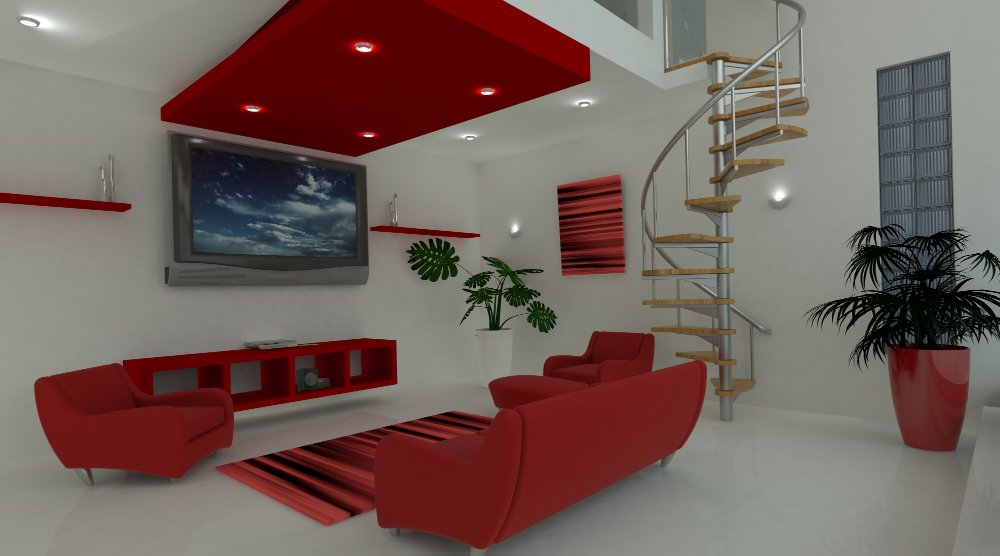
Modern ceiling design is no longer limited to flat white surfaces. Today’s most sophisticated homes embrace ceilings as architectural canvases capable of introducing rhythm, depth, and refined visual movement. Tray ceilings remain among the most elegant choices, adding graceful layers that naturally draw the eye upward while subtly increasing the perceived height of a room. Hidden LED lighting tucked within these architectural recesses creates a soft glow that washes across the ceiling, replacing harsh illumination with a calm, inviting ambiance. For homes blessed with generous proportions, vaulted ceilings introduce an entirely different experience. Sunlight travels farther, rooms feel lighter, and every architectural feature gains greater presence. Rather than overwhelming the space, the increased vertical volume creates remarkable serenity. Wood beams continue to define another expression of luxury. Whether crafted from reclaimed timber or finished in smooth contemporary oak, they introduce warmth that balances the clean geometry of modern interiors. Their beauty lies not only in appearance but in the quiet sense of craftsmanship they communicate. Coffered ceilings offer timeless sophistication through carefully proportioned symmetry. Their recessed panels create depth and texture while naturally improving acoustics—an elegant solution that combines beauty with function.EDITOR’S INSIGHT
The finest interiors rarely rely on elaborate decoration. Instead, they allow architectural details—like a beautifully designed ceiling—to establish character through proportion, craftsmanship, and restraint.
Materials, Light, and the Quiet Language of Sophistication
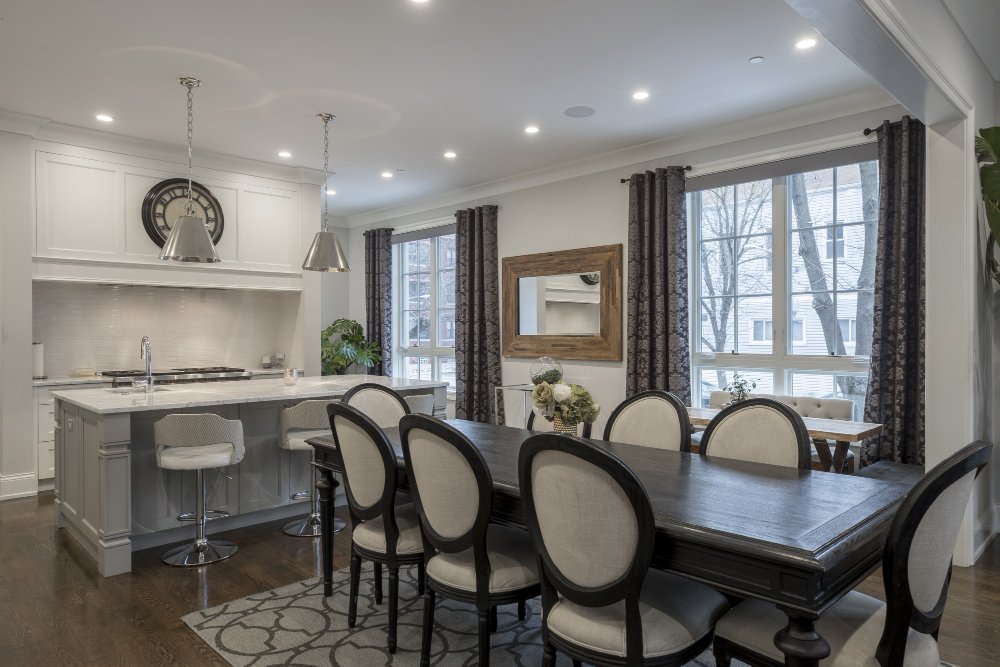
The success of any ceiling design depends as much on its materials as on its structure. Natural wood introduces warmth, smooth plaster reflects light with understated elegance, while contemporary microcement finishes create seamless surfaces that feel sculptural rather than decorative. Lighting transforms these materials into experiences. Cove lighting gently outlines architectural forms, recessed fixtures disappear into the background, and concealed LED systems create floating effects that blur the boundary between ceiling and sky. Wood slat ceilings have become especially admired within luxury residences. Their carefully spaced linear elements introduce rhythm while simultaneously improving acoustic comfort. Combined with indirect lighting, they create an atmosphere reminiscent of boutique hotels and contemporary galleries. Even minimalist ceilings reveal remarkable sophistication when executed with precision. Perfectly smooth surfaces, crisp shadow lines, and discreet lighting prove that simplicity often requires the greatest level of craftsmanship.“Exceptional design never competes for attention—it quietly becomes unforgettable.”