
Why Dining Room Renovations Improve Entertaining and Everyday Living
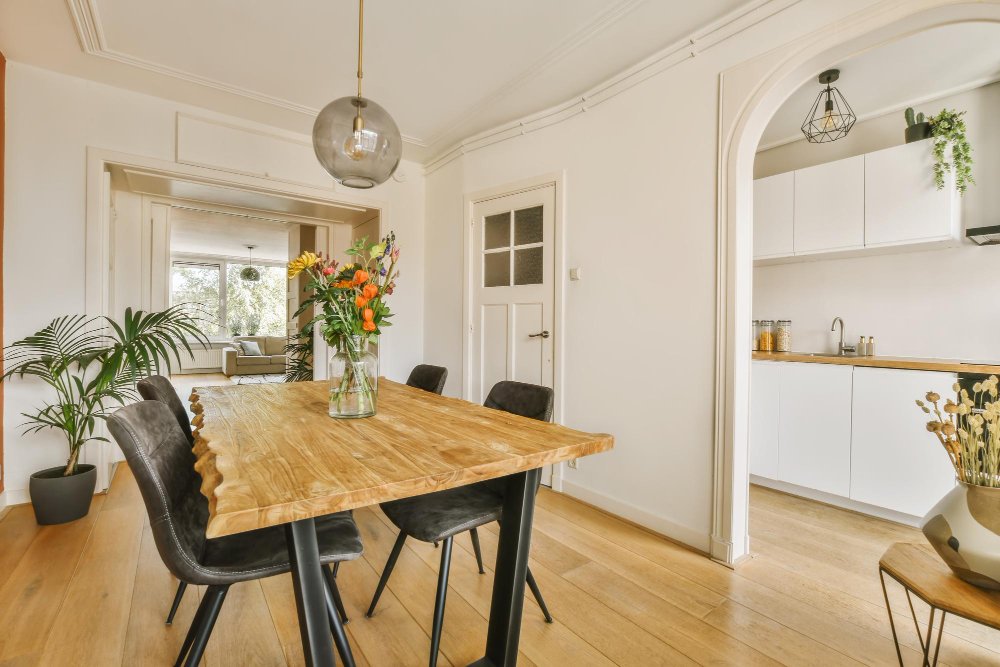
Dining room renovations can significantly improve comfort, functionality, and social interaction while creating more welcoming spaces for gatherings, celebrations, and everyday meals. Many older dining rooms feel underused because of outdated layouts, insufficient lighting, limited seating flexibility, or visual separation from adjacent living areas.
Modern dining room remodeling focuses on creating flexible and visually inviting environments that support entertaining, casual dining, and multifunctional use. Thoughtful design planning helps dining spaces feel more comfortable, connected, and adaptable to changing household needs.
Problem: Dining Rooms Feel Too Formal and Underused
Traditional dining rooms are sometimes isolated from everyday household activity, reducing how often they are used.
Solution: Create More Flexible Dining Environments
- Open-concept layouts
- Integrated kitchen connections
- Multiuse dining furniture
- Casual seating arrangements
Flexible layouts help dining rooms support both everyday meals and larger social gatherings.
Problem: Poor Lighting Reduces Atmosphere
Lighting strongly affects the mood and comfort of dining spaces.
Solution: Use Layered Dining Room Lighting
Balanced lighting improves both functionality and entertaining atmosphere.
Recommended Dining Room Lighting Features
- Statement chandeliers
- Dimmable lighting systems
- Wall sconces
- Accent lighting for artwork
- Candle-inspired ambient fixtures
Layered lighting helps dining rooms feel warmer, more elegant, and more inviting.
Problem: Limited Seating Restricts Entertaining
Many dining rooms struggle to accommodate both everyday dining and larger gatherings comfortably.
Solution: Incorporate Flexible Seating Options
- Expandable dining tables
- Bench seating systems
- Additional side chairs
- Built-in banquette seating
Flexible seating arrangements improve entertaining capacity without overcrowding the room.
Problem: Dining Rooms Lack Storage and Organization
Serving pieces, tableware, and entertaining supplies often create clutter without dedicated storage.
Solution: Add Integrated Dining Room Storage
- Built-in buffets
- Floating storage cabinetry
- Display shelving systems
- Hidden storage compartments
Integrated storage improves organization while supporting entertaining functionality.
Problem: Dining Spaces Feel Visually Disconnected
Older dining rooms sometimes feel separated from adjacent kitchens and living spaces.
Solution: Improve Visual Continuity
- Consistent flooring materials
- Coordinated paint palettes
- Open sightlines
- Unified lighting finishes
Visual continuity helps dining rooms feel more integrated within the overall home layout.
Problem: Small Dining Rooms Feel Cramped
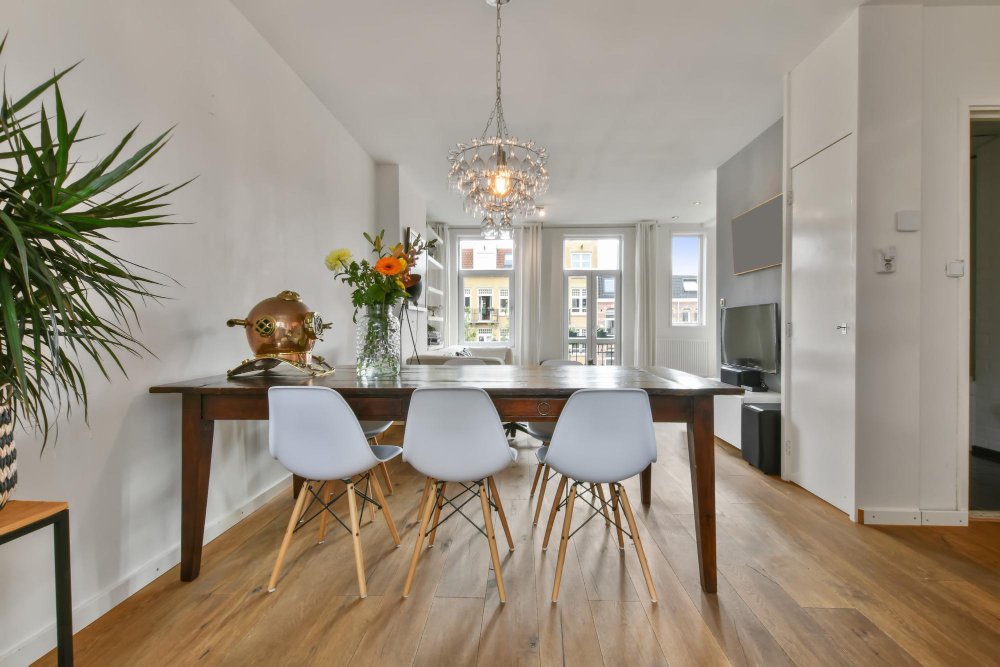
Compact dining spaces require careful planning to maintain comfort and circulation.
Solution: Use Space-Enhancing Design Strategies
- Light neutral wall colors
- Round dining tables
- Minimalist furniture profiles
- Large mirrors
- Open-base furniture designs
Space-saving layouts help smaller dining rooms feel brighter and more spacious.
Problem: Acoustics Make Conversations Difficult
Hard surfaces and open layouts can create excessive echo and noise during gatherings.
Solution: Improve Acoustic Comfort
- Area rugs beneath dining tables
- Fabric window treatments
- Upholstered dining chairs
- Acoustic wall panels
Sound-absorbing materials help create more comfortable dining conversations.
Problem: Dining Rooms Lack Personality and Warmth
Minimal or outdated spaces may feel cold and uninviting.
Solution: Add Texture and Decorative Layers
- Natural wood finishes
- Decorative wall paneling
- Layered textiles
- Artwork and centerpiece displays
- Indoor greenery accents
Decorative textures help dining rooms feel more relaxed and visually balanced.
Problem: Furniture Layouts Restrict Circulation
Poor furniture placement can make dining rooms uncomfortable during gatherings.
Solution: Optimize Traffic Flow
- Maintain open walkways
- Allow comfortable chair clearance
- Use appropriately scaled furniture
- Avoid oversized storage pieces
Efficient circulation improves both comfort and entertaining flexibility.
Problem: Dining Rooms Lack Multifunctionality
Modern homeowners often want dining spaces that support additional uses beyond formal meals.
Solution: Design Flexible Multiuse Spaces
- Remote work compatibility
- Homework and study areas
- Game-night functionality
- Flexible entertaining layouts
Adaptable dining spaces improve daily household functionality.
Why Professional Planning Improves Dining Room Renovations
Dining room remodeling projects benefit from careful layout coordination, lighting design, and furniture scaling.
Benefits of Professional Dining Room Design
- Improved seating efficiency
- Better lighting balance
- Enhanced visual flow
- More comfortable entertaining layouts
Professional planning helps homeowners create dining rooms that feel both stylish and highly functional.
Final Thoughts on Dining Room Renovations
A thoughtfully renovated dining room improves entertaining, comfort, and everyday functionality while creating more welcoming gathering spaces for family and guests. By combining layered lighting, flexible seating, integrated storage, improved acoustics, and balanced layouts, homeowners can transform outdated dining rooms into adaptable and visually inviting spaces.
Careful planning and cohesive design choices help ensure dining room renovations remain comfortable, practical, and attractive for many years.